
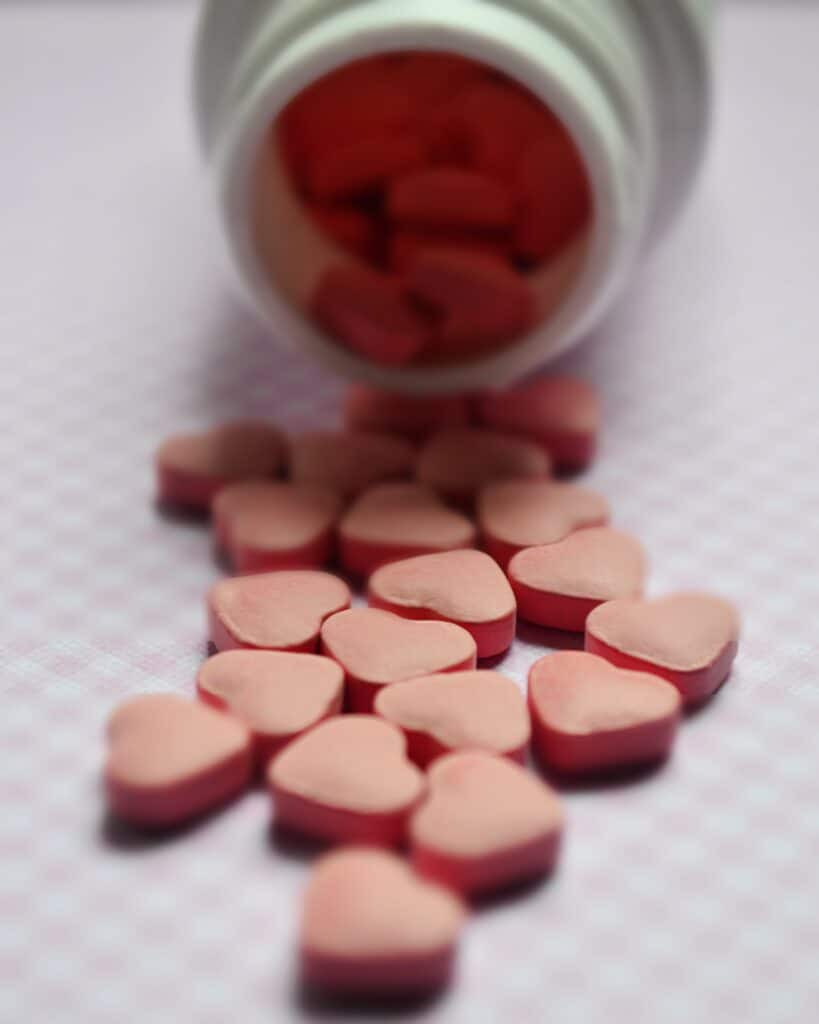
Melatonin is the most misunderstood supplement in the sleep aisle. It’s sold like a sleeping pill, dosed like a sledgehammer, and taken for problems it was never built to solve. Here’s what it actually is — and the narrow, genuinely useful ways people who train should (and shouldn’t) use it.
What melatonin actually does
Melatonin is a hormone your brain makes in response to darkness. Its job is timing, not sedation: it tells your body “night is coming,” shifting your circadian clock. Think of it as the starting gun for the sleep process, not the sleep itself. That’s why it works brilliantly for jet lag and schedule shifts — situations where the clock itself is wrong — and disappoints people who take it as a nightly knockout drop.
The dose problem
Your body produces melatonin in tiny amounts. The research sweet spot for sleep timing is roughly 0.3–1 mg. Most products on the shelf are 5–10 mg — ten to thirty times that. Overshooting doesn’t just waste money: high doses can leave residual melatonin in your system the next morning (hello, grogginess — the exact opposite of readiness) and, in some people, produce vivid dreams and fragmented sleep in the second half of the night as levels crash.
How athletes should actually use it
Use it for: Jet lag / travel across time zones — low dose in the evening at your destination to drag your clock forward. This is its best-evidenced job. Schedule shifts — moving from late nights to an early training block, or resetting after a late competition. Short bridges — a few nights while you fix the real problem (light exposure, wake time, caffeine timing).
Don’t use it for: A nightly habit to “force” sleep. If you need it every night, the issue is your protocol, not your melatonin. Fixing sleep quality. It doesn’t meaningfully deepen sleep or add recovery value once you’re asleep.
Timing matters more than dose
For shifting your clock earlier (the usual goal): take a low dose a few hours before your target bedtime, not at bedtime — the clock-shifting effect peaks earlier than the mild drowsy effect. Pair it with morning bright light at your destination/target schedule; light is the stronger signal and the two work together.
The athlete’s alternative stack
For nightly sleep support, build on non-hormonal foundations first: magnesium glycinate, glycine, a consistent wake time, morning light, and a caffeine cutoff ~10 hours before bed (see our supplements guide and the athlete night routine). Reserve melatonin for the clock problems it’s actually designed to solve.
Bottom line
Melatonin is a precision tool for circadian timing, misused as a nightly sedative at 10x the useful dose. Low dose (0.3–1 mg), right occasion (travel, shifts), right timing (evening, hours before bed), paired with light. Everything else it gets credit for belongs to your protocol.