
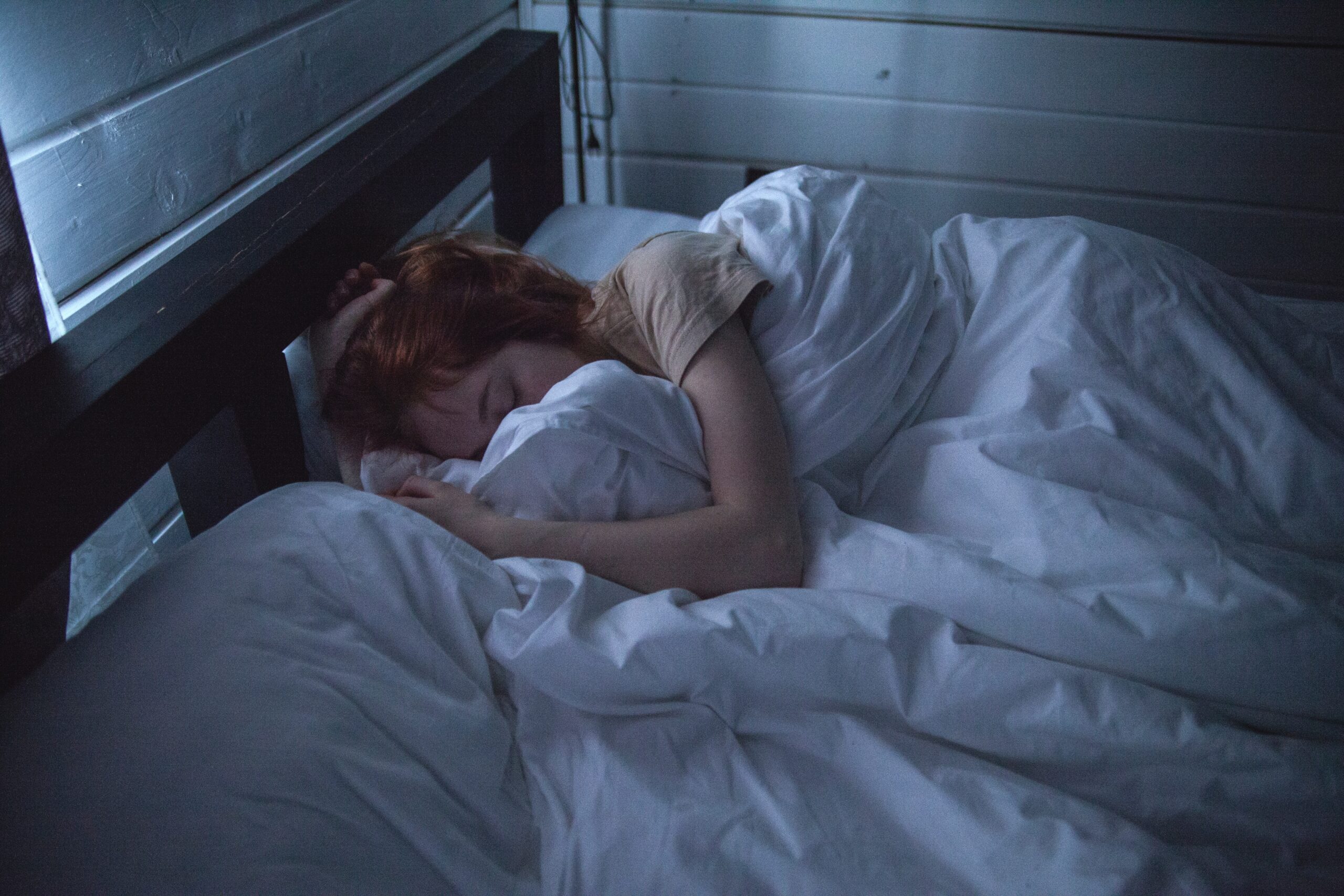
Your bedroom can be dark, quiet, and phone-free—and still work against you if it is too warm. For athletes, that matters. A hot room can make it harder to fall asleep, fragment the deep sleep that supports recovery, and leave the next day’s training feeling …
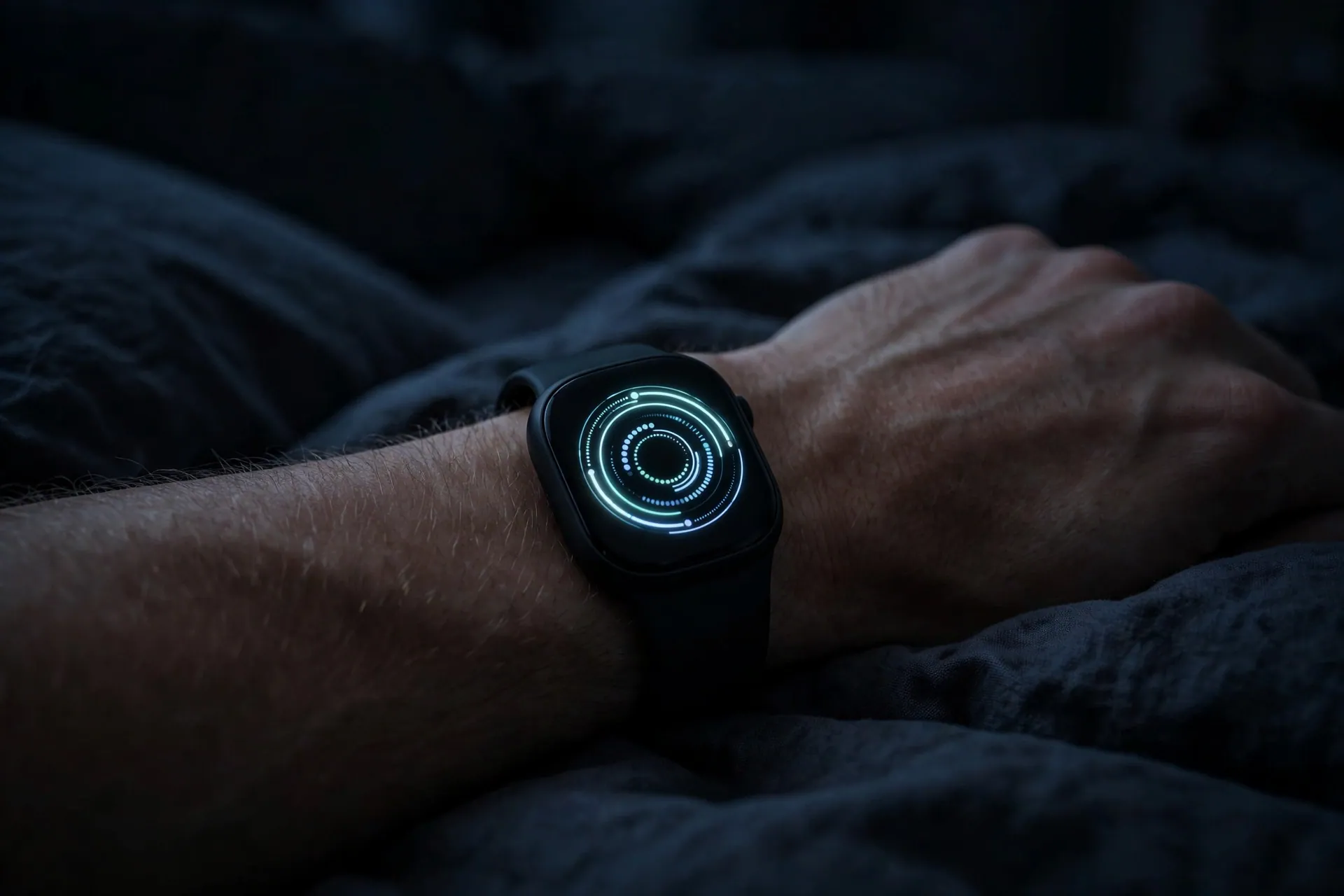
Your wearable gives you a score every morning. Used well, it’s the best feedback tool in your recovery system. Used badly, it’s anxiety with a battery. After years of coaching clients on Oura, Whoop, Garmin, and Apple Watch data, here’s the honest user’s manual. What …
Forget generic “sleep hygiene” lists. If you train, your evening needs a protocol — the same way your training has one. This is the exact 2-hour wind-down I give coaching clients. It takes one week to feel, and it compounds. T-minus 10 hours: the caffeine …
“What’s the best time to go to bed?” is the wrong question. The right question is: what time do you have to wake up — and what does your training demand tomorrow? Build the schedule backwards from those two facts. Step 1: Fix the wake …
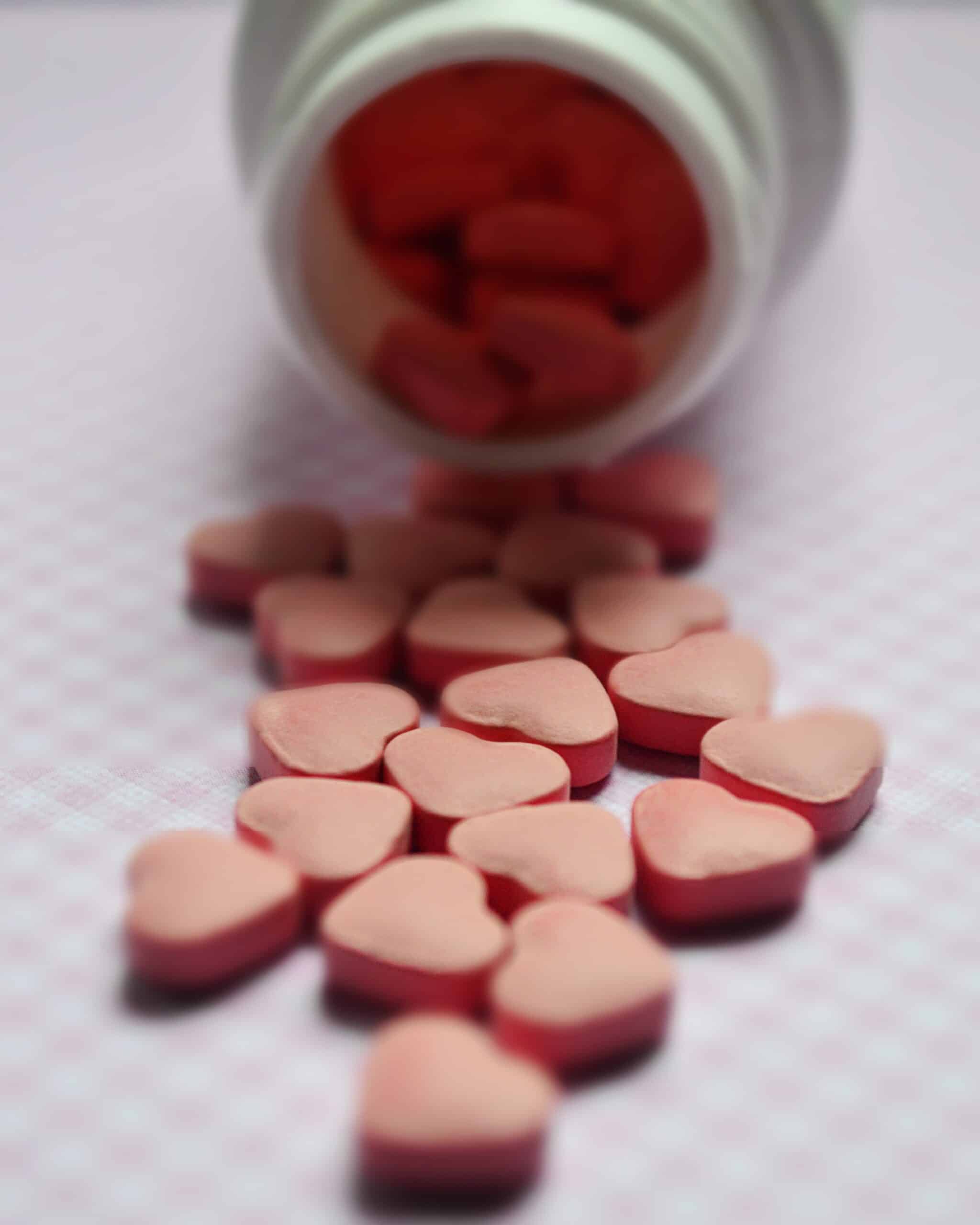
Melatonin is the most misunderstood supplement in the sleep aisle. It’s sold like a sleeping pill, dosed like a sledgehammer, and taken for problems it was never built to solve. Here’s what it actually is — and the narrow, genuinely useful ways people who train …
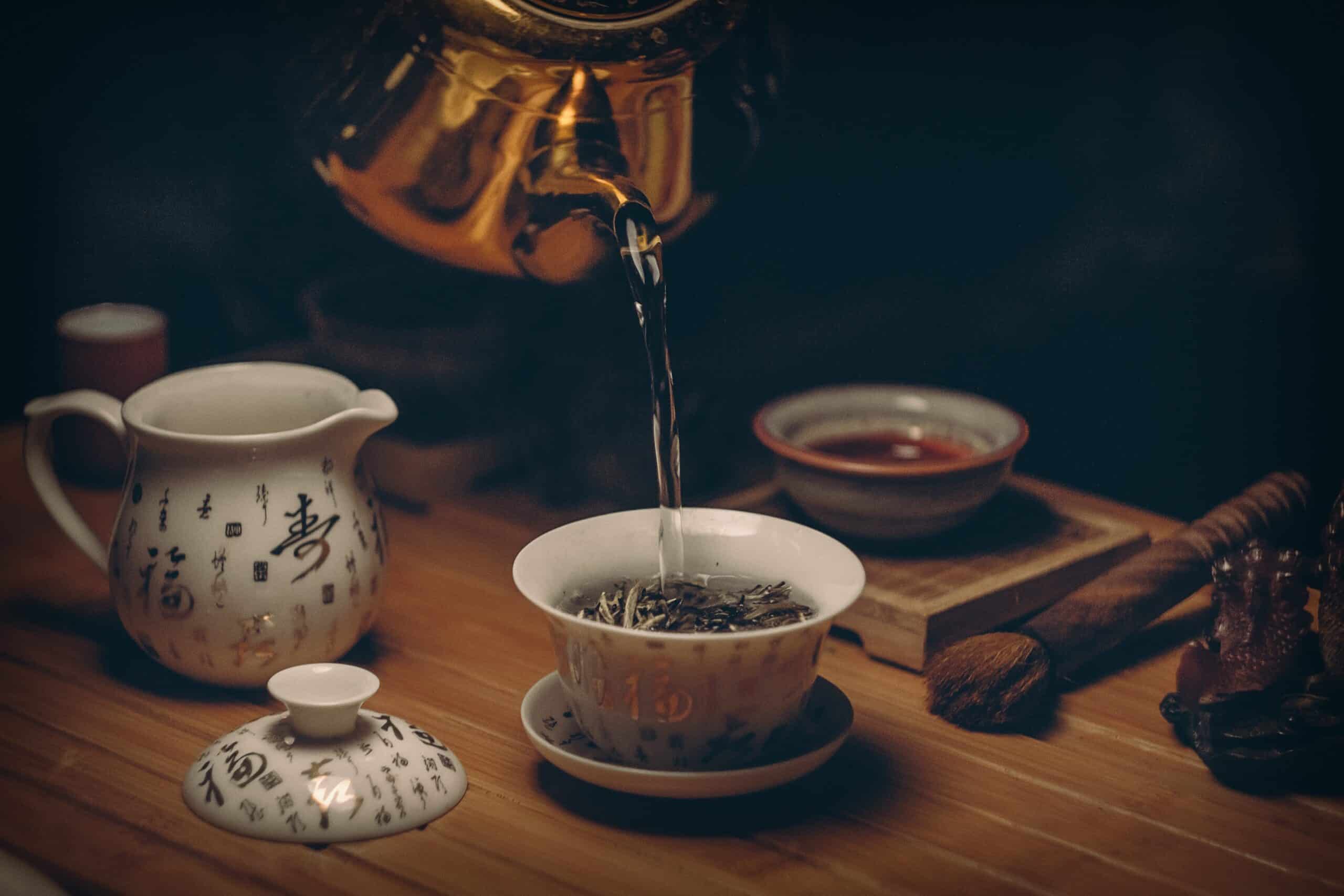
What you drink — and when — moves your sleep more than most supplements do. This guide covers both sides: the drinks that genuinely help your night, and the two that quietly wreck it. The helpers Tart cherry juice — the athlete’s pick. A natural …
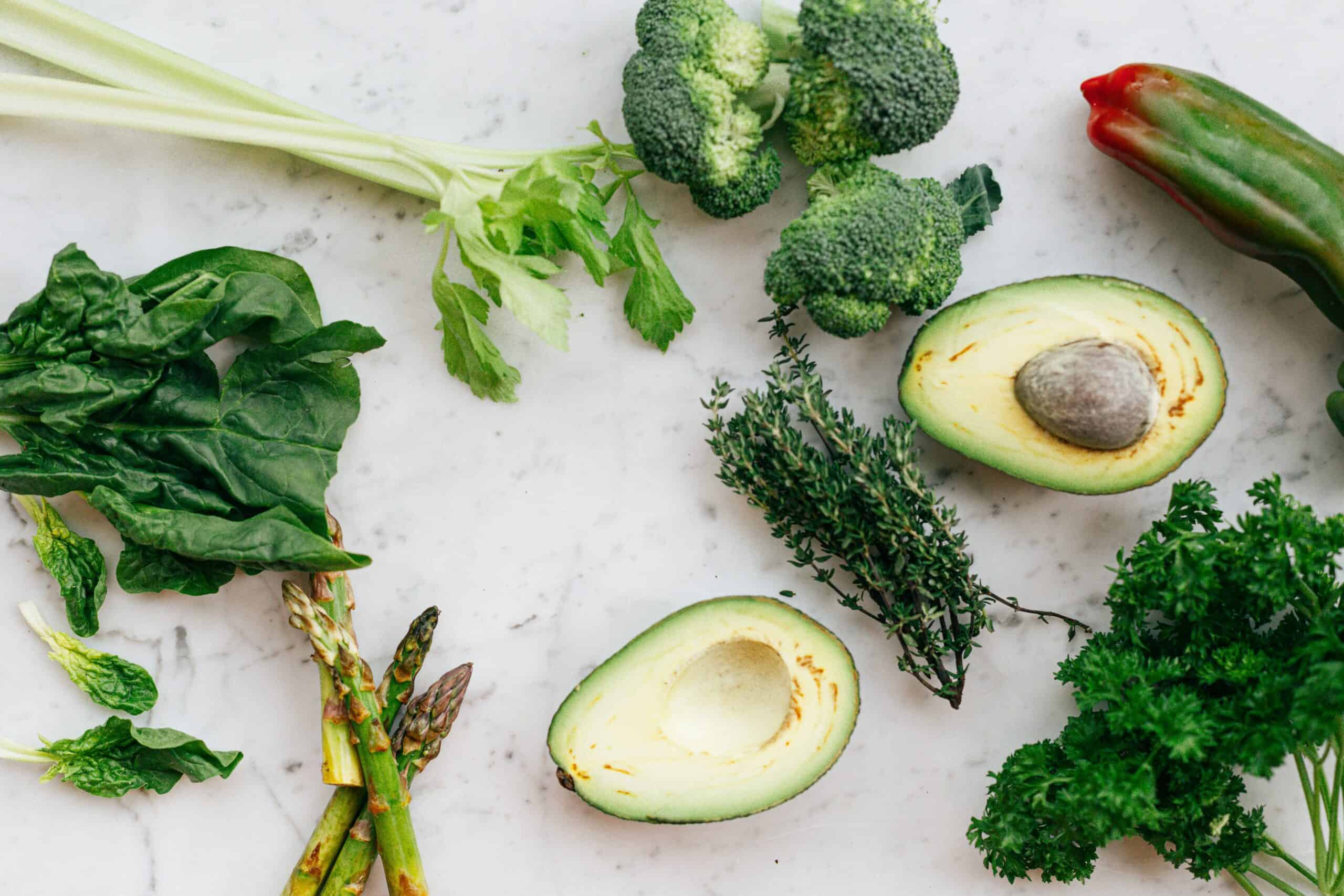
If you train hard, magnesium is probably already on your radar. It’s involved in 300+ biochemical reactions, including the ones that produce energy and repair muscle. It’s also become the most recommended “sleep supplement” in the training world — and for once, the hype has …

Your wearable gives you a readiness score every morning. Behind that number sits something older than any algorithm: your circadian rhythm — the ~24-hour clock that schedules your hormones, temperature, alertness, and sleep pressure. When the clock is stable, readiness takes care of itself. When …